Map
Must-see places
Hand-picked viewpoints, peaks, beaches and villages.
Where to stay
Verified hotels, cabins and rorbu — across price tiers.
Hiking
Routes by difficulty. Distance, elevation and season included.
Dining
Restaurants worth the detour.
Common questions — Lofoten
Quick answers from people who live here.
How do I get to Lofoten?
Fly to Svolvær (LKN), Leknes (LKN) or Bodø (BOO) + Hurtigruten ferry. From Tromsø, drive E10 (~6h via Andenes ferry) or fly via Bodø. The E10 'Kong Olav V's Vei' is one of Norway's most scenic drives.
What's the most photogenic village in Lofoten?
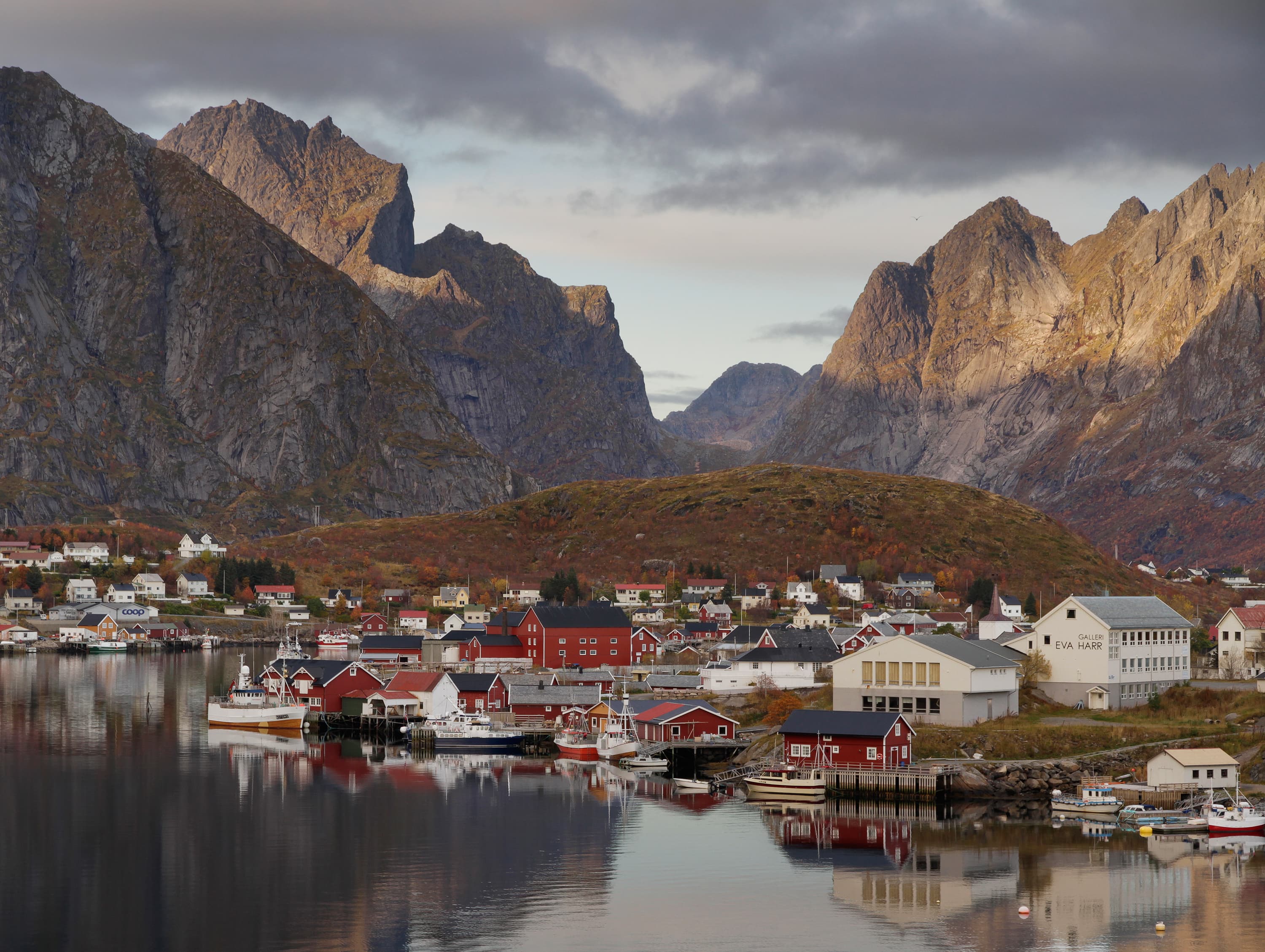
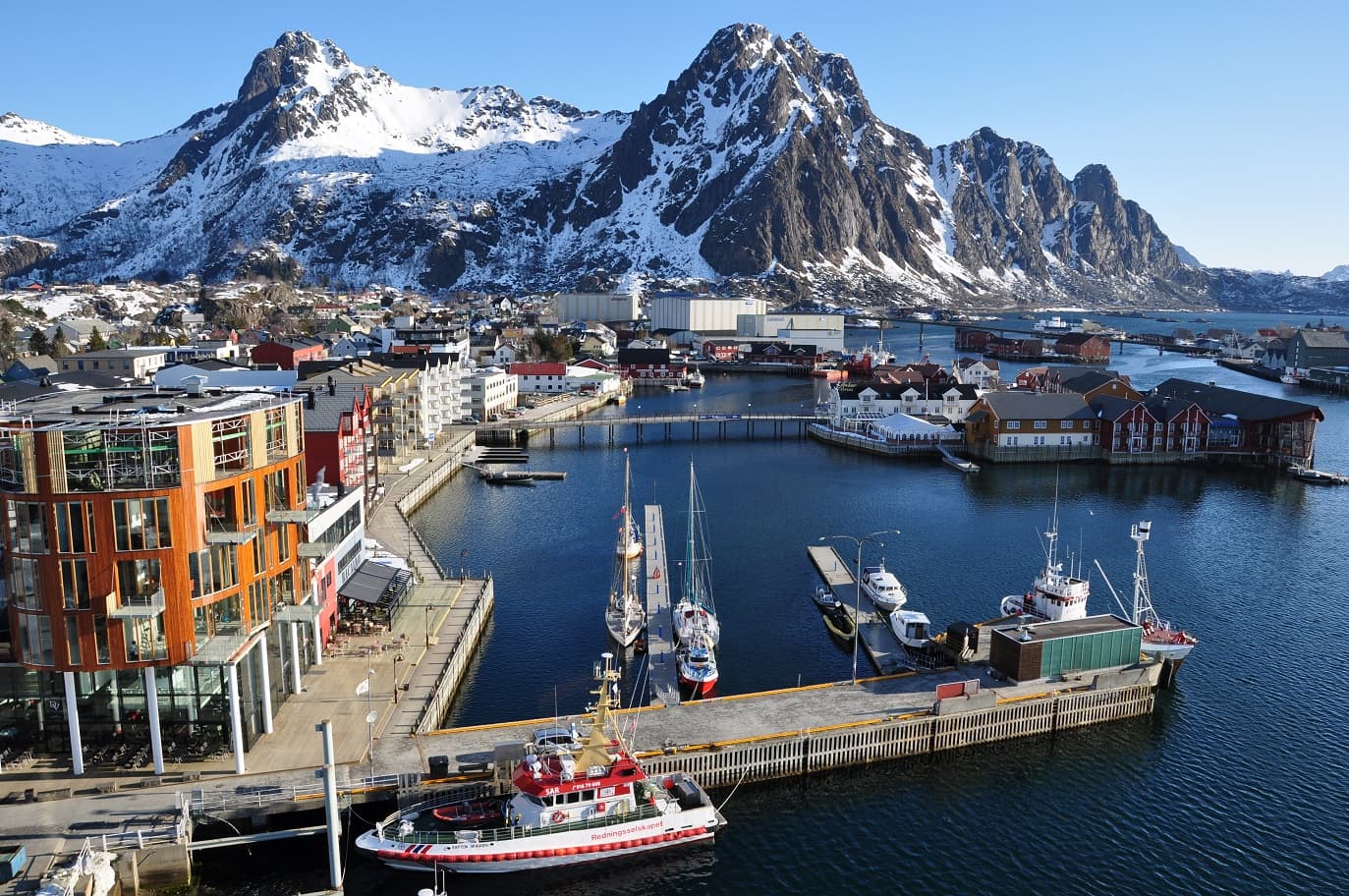
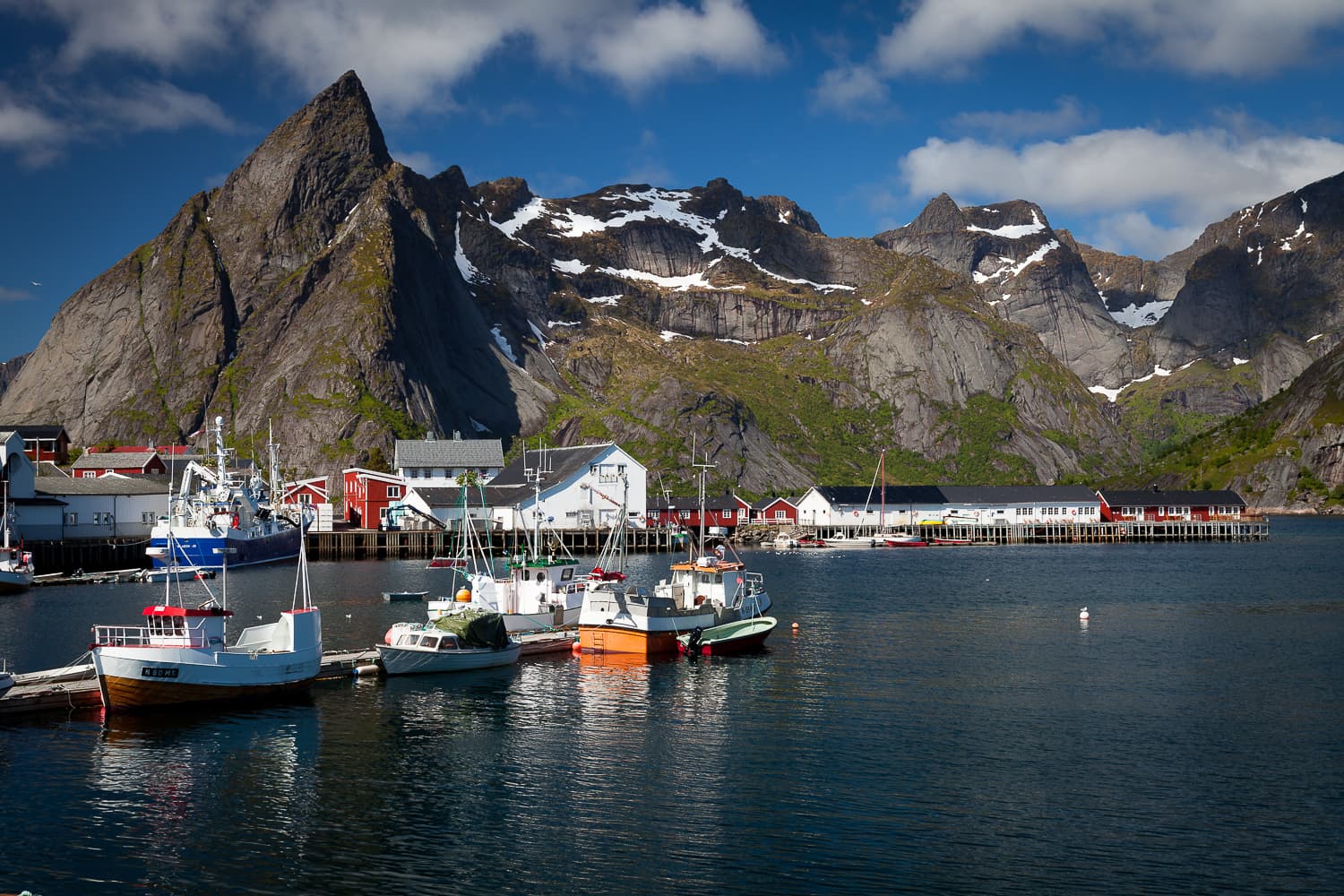
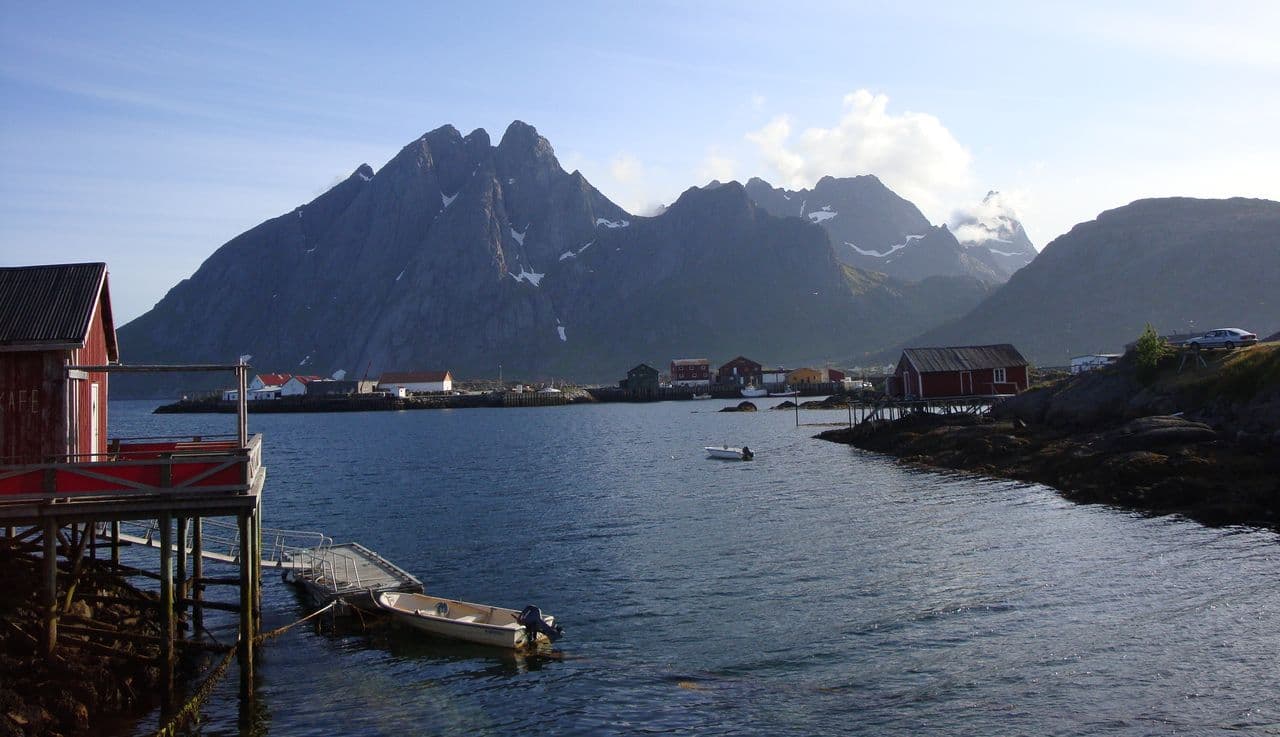
Reine — vertical granite peaks rising from glassy water, red rorbu cabins on stilts. Voted Norway's most beautiful village multiple times. Adjacent Hamnøy gives the iconic 'Lofoten' postcard angle.
Are the Lofoten beaches actually swimmable?
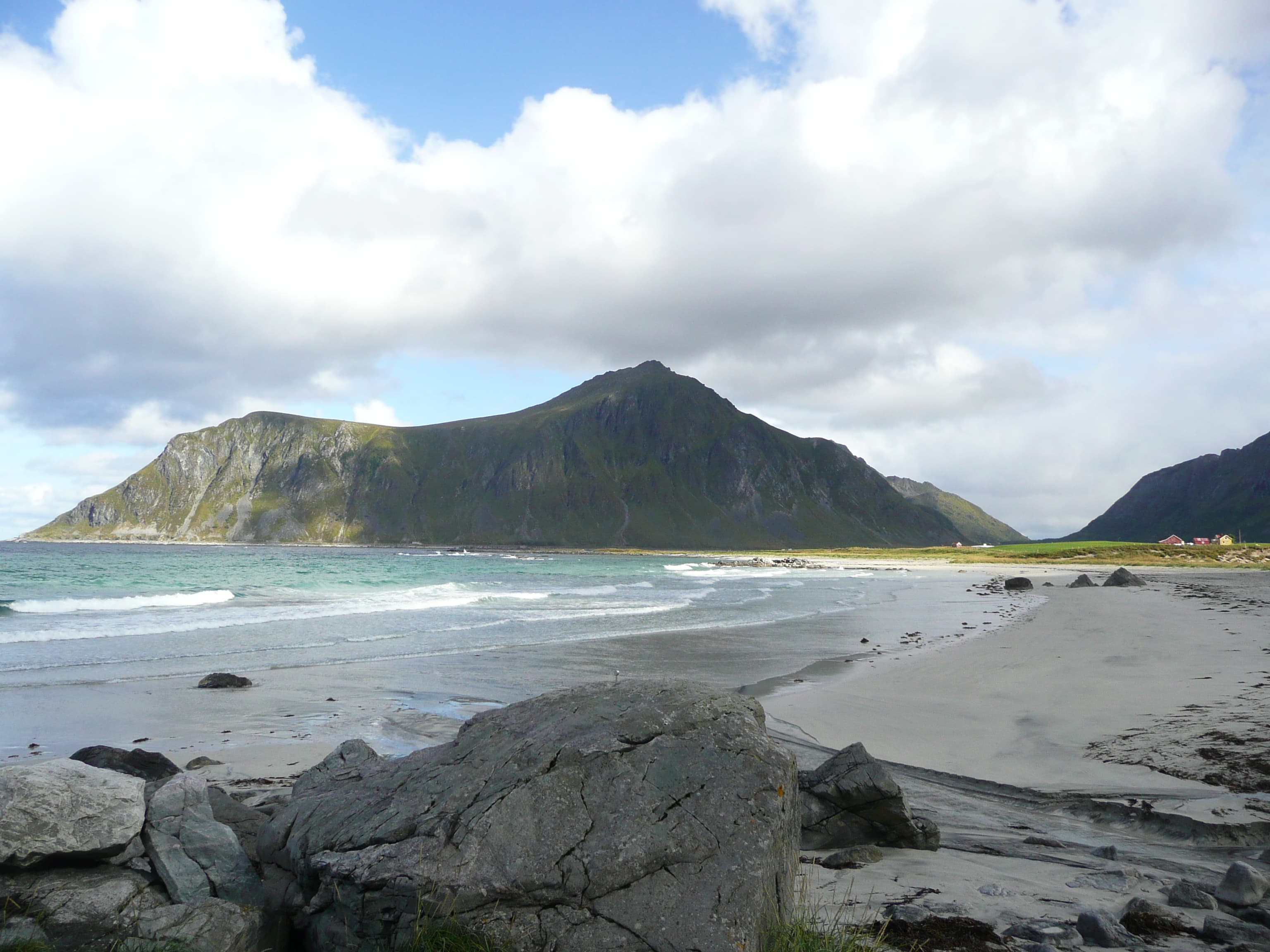
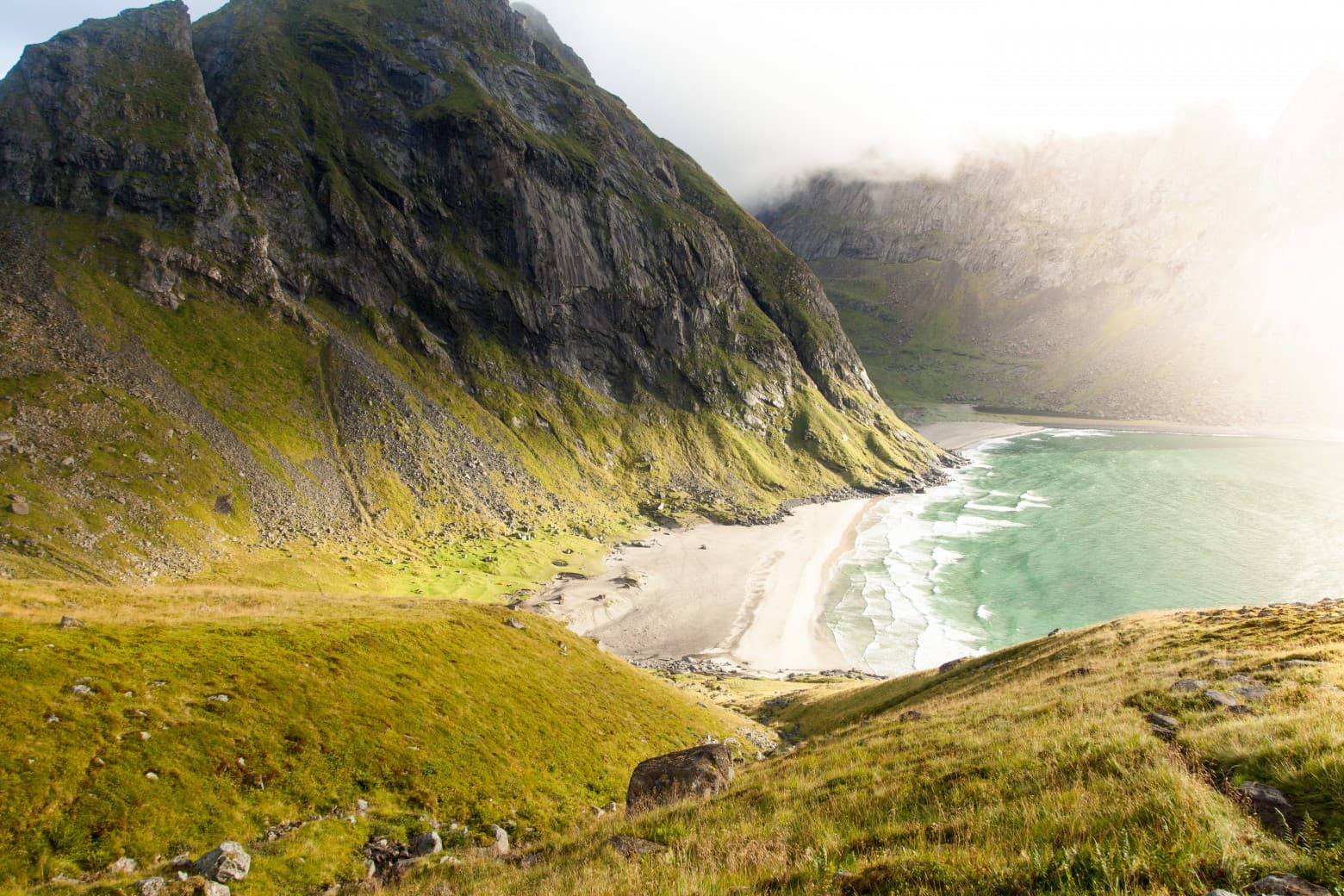
Technically yes, but water rarely exceeds 12 °C even in August. Hauklandstranda, Uttakleiv and Bunes are stunning to walk and surf. Locals do polar plunges year-round; tourists mostly photograph and dip toes.
Is one day enough for Lofoten?
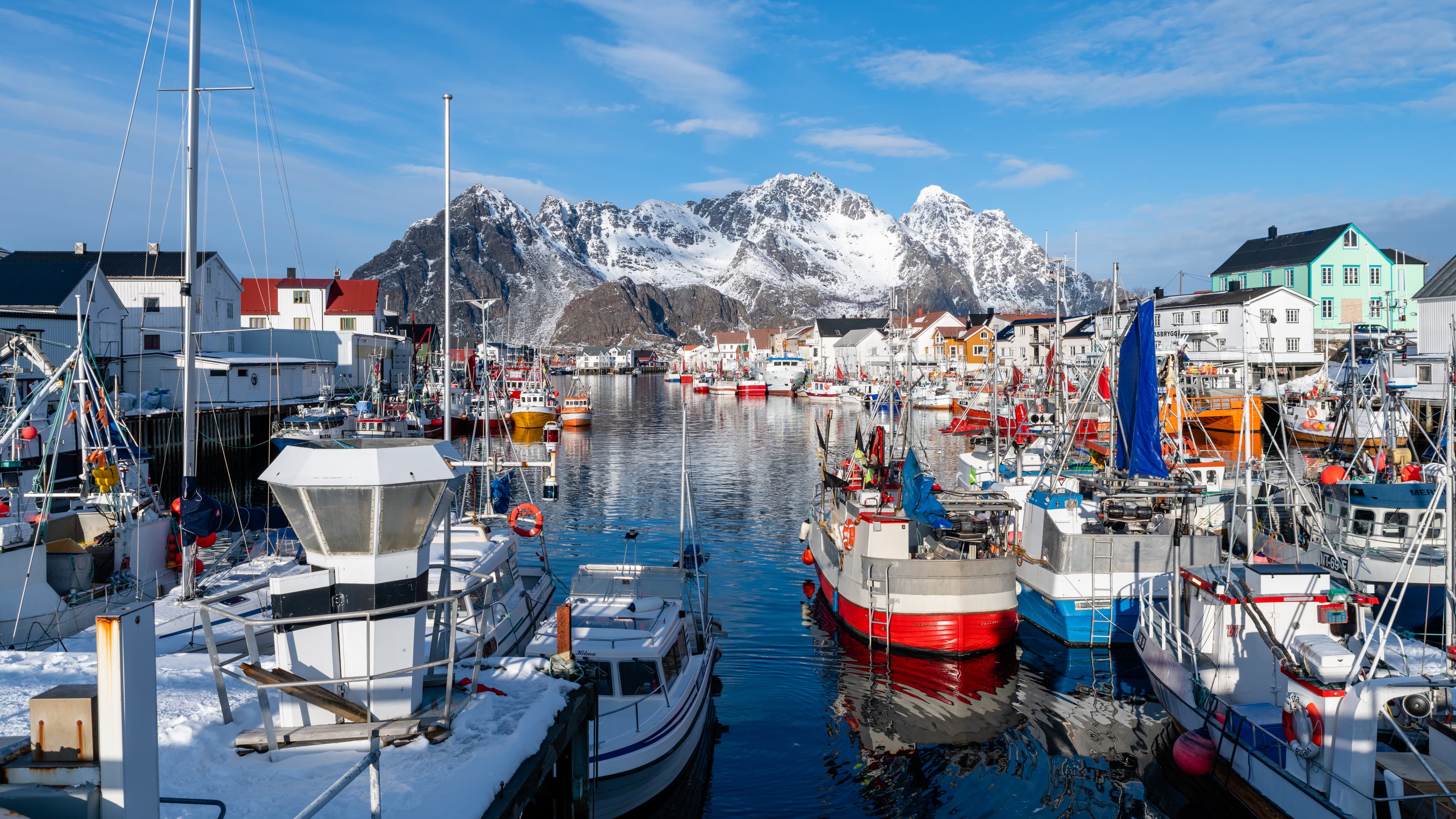
No. Minimum 3 nights to drive E10 end-to-end with stops at Henningsvær, Reine, Å. Five nights lets you hike Reinebringen + Kvalvika and do a kayak tour. Lofoten is 175 km long.
What's a rorbu?
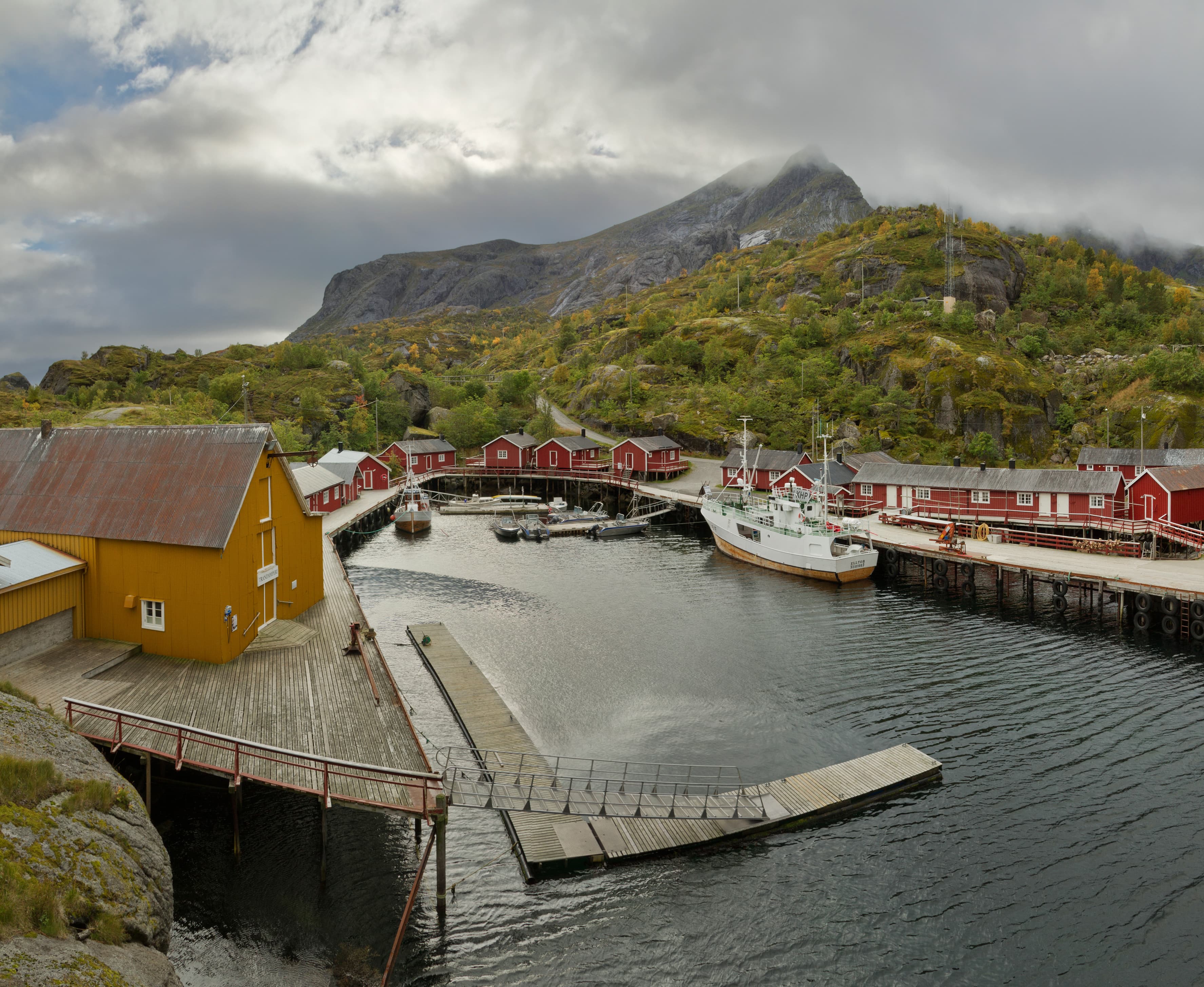
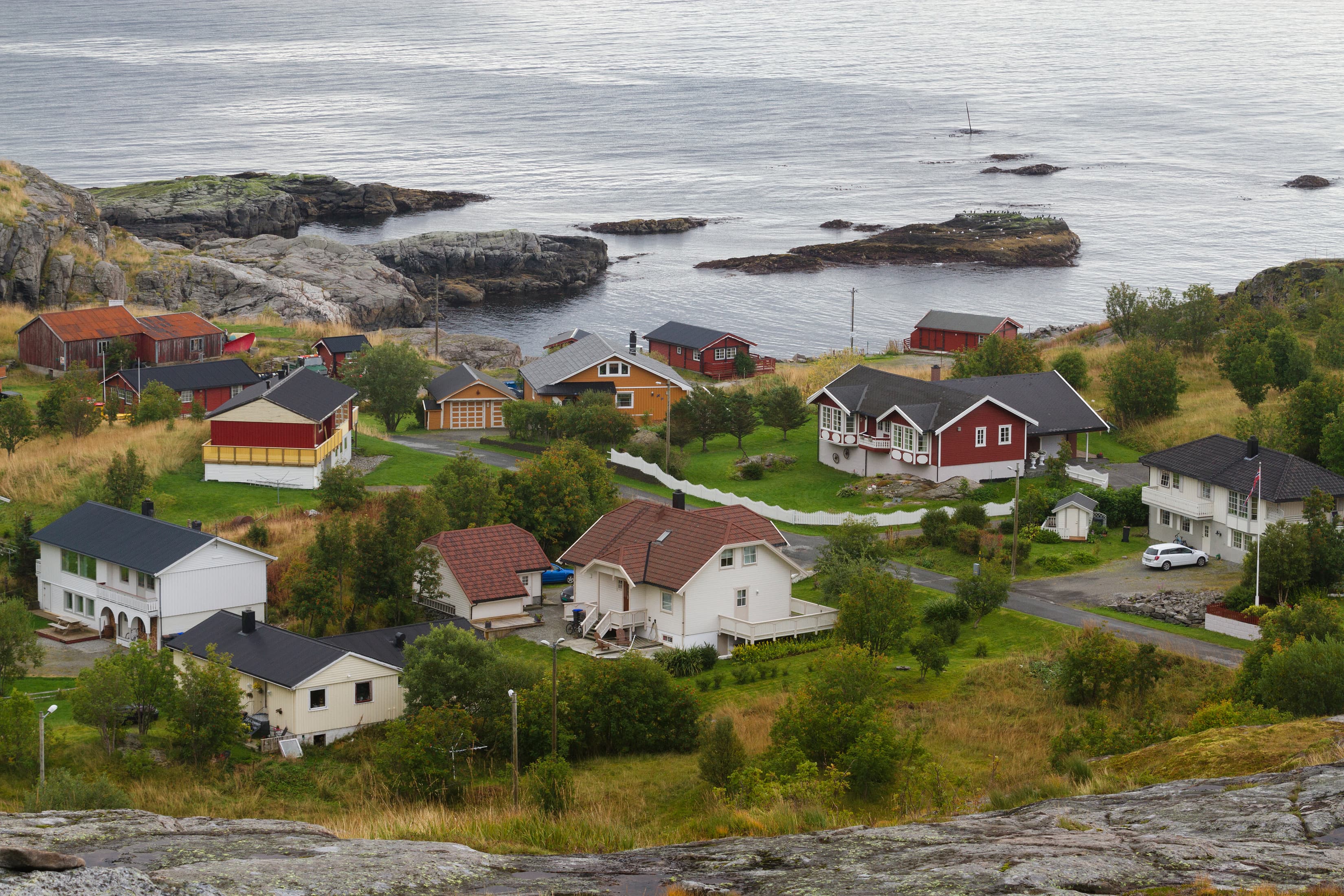
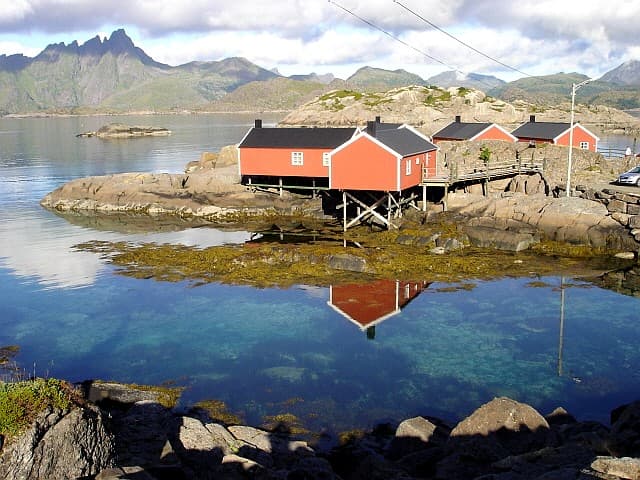
A traditional red wooden fisherman's cabin on stilts over the water. Built since the 1100s for cod-fishing crews. Most rorbu in Lofoten are now converted into self-catering accommodation — typically NOK 1,800–3,500 per cabin per night, sleeps 4–6.